

UNIDENSE® Technology: Efficient Catalyst Loading for Primary Reformer Tubes.
A Smarter Alternative to Traditional “Sock” Loading
Engineered for reformer performance.
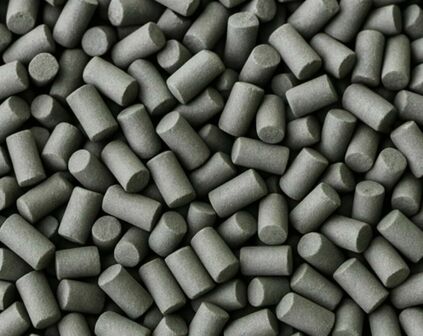
The UNIDENSE® technology is an advanced catalyst loading method for primary reformer tubes. Compared to the conventional “sock” method, it is faster, less complex, and eliminates many operational risks.
- Faster loading: A 4" tube can be filled in ~10 minutes. A reformer with 300–400 tubes is typically completed in 3–4 shifts, often less than half the time of sock loading.
- Reduced downtime: Faster loading means shorter maintenance stops, saving operators both time and cost.
- Lower manpower needs: No socking or weighing of socks required. Catalyst can be delivered in bags (up to ~30 kg) or directly via hoppers and buckets.
- Consistent quality: Pressure drop variation typically within ±2.5%; reloading is rarely required.
- Extended tube life: Stable pressure drop ensures even tube wall temperatures, reducing stress and preventing hot spots.
- Increased throughput: High uniform density supports higher conversion and productivity.

The choice when performance matters.
We know your reformer like it’s our own.
Multiple Catalyst Layers
Loading several catalyst types is simple. Levels are marked directly on the loading rope, removing the need for frequent outage checks. In one emergency case with five different catalyst types, including screened and recycled material, results showed a pressure drop variation of less than ±5%.
Reliable Pressure Drop Control
UNIDENSE® guarantees a final pressure drop variation within ±5% of the average. In practice, careful loading often achieves ±3% or better. Plants typically measure pressure drop with their own equipment at night, minimizing the influence of temperature and pressure fluctuations.
Key Features of UNIDENSE® Technology
Every reformer is unique. That’s why our equipment—loading funnels, ropes, and accessories—is custom-built for each project.
Catalyst is gently filled through a specially designed funnel while the loading rope is gradually withdrawn. Flexible brushes slow down the catalyst particles, preventing breakage. From the lowest brush to the catalyst surface, the particles fall freely in a low-intensity manner, settling evenly without bridging. This ensures a uniform, high-density fill without voids, removing the need for tube vibration.
The traditional sock method produces a loose and uneven fill. Catalyst can interlock, causing bridging, which requires vibration to correct. However, vibration has limited effect on the lower part of the tube, leading to density variations, settling during operation, and risks of hot spots. With the Unidense technology these issues are no longer there.
Request to quote
Yes please tell me more!